
Every year about a third of all food produced is either lost during production, distribution, and processing or wasted at the retail and consumer level. With 811 million people facing hunger in 2020, this food loss and waste is egregious. Food loss and waste also has significant negative environmental impacts, accounting for almost 10 percent of global GHG emissions as well as a wasteful use of a quarter of the world’s freshwater resources and of farmland that exceeds the size of China. Sustainable Development Goal target 12.3 calls for halving per capita global food waste at the retail and consumer levels and reducing food losses along production and supply chains, including post-harvest losses by 2030
The unsustainable use of resources has triggered critical scarcities and caused climate change and widespread environmental degradation – all of which have negative impacts on the well-being of the planet and its people.
According to the 2019 FAO Report on the State of Food and Agriculture, globally approximately 14 percent of food is lost before it reaches the retail and consumer levels (FAO, 2019a). These losses disproportionally affect developing countries. Reducing food losses contributes to food security and nutrition (Sustainable Development Goal [SDG] 2 [FAO, 2015]), economic growth, and lowers the impact of food production on the environment. The underlying causes of post-harvest loss (PHL) include limited skills and knowledge of actors in the supply chain, poor practices, weak infrastructure and logistics, lack of appropriate and/or poorly designed tools, equipment and packaging, and absence of/or limited access to markets. Investments are therefore needed to address these issues
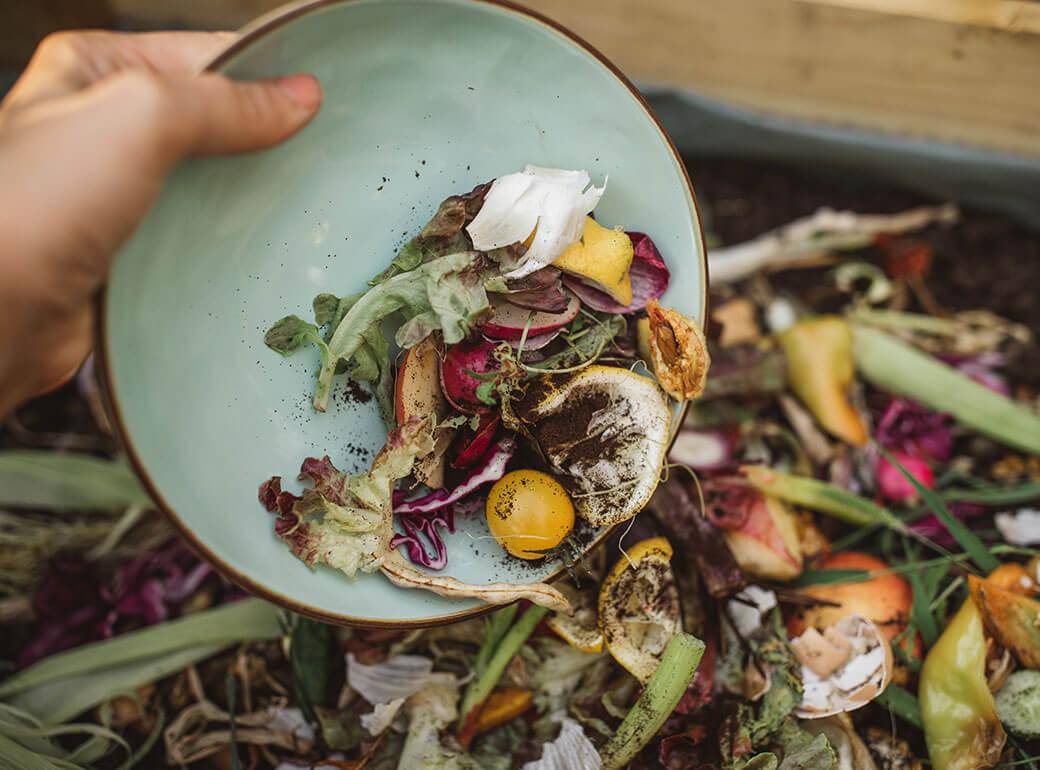
Food loss and waste undermine the sustainability of our food systems. When food is lost or wasted, all the resources that were used to produce this food – including water, land, energy, labour and capital – go to waste. In addition, the disposal of food loss and waste in landfills, leads to greenhouse gas emissions, contributing to climate change. Food loss and waste can also negatively impact food security and food availability, and contribute to increasing the cost of food.
Food that is lost and wasted accounts for 38 percent of total energy usage in the global food system
Packaging now contributes approximately 5.4 percent of global food-system emissions, more than any other supply-chain factor including transportation.
Our food systems cannot be resilient if they are not sustainable. Hence the need to focus on the adoption of integrated approaches designed to reduce food loss and waste. Actions are required globally and locally to maximise the use of the food we produce. The introduction of technologies, innovative solutions (including e-commerce platforms for marketing, retractable mobile food processing systems), new ways of working and good practices to manage food quality and reduce food loss and waste are key to implementing this transformative change.
The 2021 UN Food Systems Summit highlighted the importance of reducing food loss and waste to achieve a sustainable food system and deliver on all 17 Sustainable Development Goals. But what are effective solutions for a livable planet and to guarantee sufficient and healthy food for future generations? What needs to change in production processes? What can and should consumers do? How can all generations get involved?
To tackle this global crisis, UNEP is working with cities and partners around the world to promote the use of green and digital technology to improve the shelf life of food and optimize its distribution. An integrated approach that connects policy, infrastructure and consumer behavior is needed to build the public-private partnerships that will enable the use of this green technology. Examples are wide-ranging and include solar-powered food storage devices, social media campaigns, virtual markets and urban farming.
The production and consumption of sufficient, affordable and nutritious food, while conserving the natural resources and ecosystems on which food systems depend, is vital. Food systems play a central role in all societies and are fundamental to ensuring sustainable development.
Sustainable food systems are critical to resolving issues of food security, poverty alleviation and adequate nutrition, and they play an important role in building resilience in communities responding to a rapidly changing global environment.
Our global food systems are having a profound impact on human and planetary health. They are responsible for 70 per cent of the water extracted from nature, account for up to one-third of human-linked greenhouse gas emissions, and agriculture has been identified as the threat to 24,000 of the 28,000 species (over 86 per cent) at risk of extinction
Conference is playing a crucial role in the transition towards sustainable food systems. It serves as custodian of the food waste element of Sustainable Development Goal (SDG) 12.3, which aims to halve per capita global food waste at the retail and consumer levels and reduce food losses along production and supply chains.
“Reducing food waste would cut greenhouse gas emissions, slow the destruction of nature through land conversion and pollution, enhance the availability of food and thus reduce hunger and save money at a time of global recession,” said Inger Andersen, Executive Director of UNEP. “If we want to get serious about tackling climate change, nature and biodiversity loss, and pollution and waste, businesses, governments and citizens around the world have to do their part to reduce food waste. The UN Food Systems Summit this year will provide an opportunity to launch bold new actions to tackle food waste globally.”
Countries can raise climate ambition by including food waste in Nationally Determined Contributions to the Paris Agreement, while strengthening food security and cutting costs to households. This makes food waste prevention also a primary area for inclusion in COVID-19 recovery strategies. To build on the work of the report, UNEP will launch regional working groups to help build countries’ capabilities to measure food waste in time for the next round of SDG 12.3 reporting in late 2022, and support them to develop national baselines to track progress towards the 2030 goal, and design national strategies to prevent food waste. This week, WRAP has launched the UK’s first national Food Waste Action Week (1-7 March), driving home the message that wasting food feeds climate change.
Food loss and waste must be reduced for greater food security and environmental sustainability Innovation, technologies and behavioral change – key to reducing food loss and waste
Inger Andersen, Executive Director of UNEP, encouraged governments to make food loss and waste part of national climate strategies.
Calling food loss and waste “an ethical outrage” given that so many people go hungry, António Guterres, United Nations Secretary-General, in a message sent in support of the Day, urged everyone to play their part in tackling this issue – from countries setting a reduction target and measuring their food loss and waste and policy action in this area being included in climate plans under the Paris Agreement to businesses taking a similar approach and individuals shopping carefully, storing food correctly, and using leftovers.
Solutions to stem food loss and waste include: good data to know where in the value chain the major hot spots of food loss and waste are; applying innovation - for example, e-commerce platforms for marketing or retractable mobile food processing systems; government incentives to bolster private sector food loss and waste action and collaboration across supply chains; investments in training, technology and innovation, including for small-scale producers; better food packaging and relaxing on regulations and standards on aesthetic requirements for fruit and vegetables; behaviours that value and make the most of food at home; redistributing safe surplus food to those in need through food banks; facilitating farmer’s access to consumers and shorter value chains through farmers markets and rural urban linkages; and investing more to strengthen infrastructure and logistics, including sustainable cold chains and cooling technologies.
In many countries a large proportion of produce is lost during transportation. To address this, FAO has introduced improved, sustainable bulk packaging (in the form of stackable and nestable plastic crates), along with good post-harvest management practice, to transport fresh produce in a number of Southern and South-eastern Asian countries. The use of crates during transport has reduced losses of vegetables and fruits by up to 87 percent. Where crates replaced single-use plastic bags, this has also brought environmental benefits. (Source SOFA 2019, p. 36
UNEP, together with high-level coalition Champions 12.3, has developed a Target-Measure-Act approach to food loss and waste reduction. The United Kingdom, a pioneer of this approach, has achieved a 27 percent reduction in post-farm gate food loss and waste per capita by 2018 relative to its 2007 baseline, making it the first c
Food loss and waste – facts and figures
In terms of greenhouse gas (GHG) emissions, the food that is lost is associated with around 1.5 gigatonnes of CO2 equivalent every year.
UNEP will publish new country level food waste estimates at retail, food service and household level in its Food Waste Index report, early in 2021, and a common methodology for food waste measurement at national level on World Food Day, October 16th 2020.
Moving towards more sustainable food systems is critical. Urgent attention is required to address existing challenges, as well as new and evolving demands on our food systems. Conference is committed to accelerating action through its Sustainable Food Systems programme of activities which aim to raise awareness as well as catalyse action at local, level.